Mentoring for junior professors without tenure track at the Faculty of Arts and Humanities
The mentoring programme offers junior professors without tenure track in the Faculty of Arts and Humanities a valuable opportunity for personal and professional development. Through individual support from experienced professors , you will gain insights and support in various fields of your academic career.
Your advantages at a glance:
- Individual support: Benefit from the experience and knowledge of your mentors, who will provide you with targeted support in your professional development.
- Networking: Expand your professional network within and outside the university by exchanging ideas with experienced academics.
- Career development: Receive valuable impulses and advice on the further development of your academic career, especially with regard to the challenges of a junior professorship without tenure track
3-sound mentoring
Launch support
When you are hired, the faculty management will provide you with a mentor who is a professor in the faculty and who will accompany and support the faculty's internal processes. As of April 2025, the start mentor is the Vice Dean for Research and Academic Careers.
Specialist and career-promoting mentoring
In a one-to-one mentoring programme with a research-strong professor from another university, you will be given valuable experience and strategies for your future career. The mentoring programme includes career-promoting topics that are tailored to your needs. Possible contents could be
- Strategic preparation for the interim report and the associated interim evaluation
- Collegial counselling in initial appointment procedures and related negotiations
- Advice on career-promoting measures (coaching measures, acquisition of third-party funding, negotiation training)
- Reflection on moments of crisis during the junior professorship
- Preparation for status meetings (see below)
- Networking and increasing visibility in the scientific community
Important: Since mentoring only works in a non-dependent context, the mentor must not be part of the committee that decides on the interim evaluation. Discussions in the mentoring relationship are confidential.
Julia Steinhausen and Anda-Lisa Harmening will advise you on the career-promoting measures offered by Paderborn University.
Annual status meeting
Once a year, the Dean of Research invites you to a one-hour status meeting to reflect together on the developments of the past year.
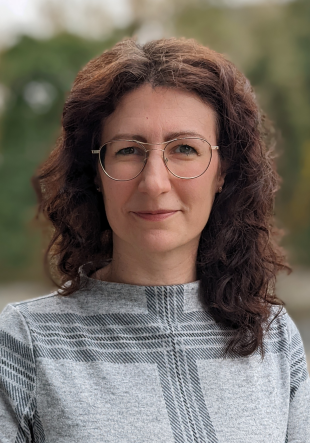
2 questions for Dr. Julia Steinhausen

Why this mentoring programme in the junior professorship phase?
The junior professorship, especially without tenure track, brings with it many challenges. An experienced mentor offers support in professional career planning and networking in a trusting environment. At the same time, the institution also benefits from this type of professionalisation of the mentee.
What criteria should I use to select a mentor?
The choice of mentor is highly individualised and based on the mentee's goals: For example, do you want someone with strong research and third-party funding, an internationally well-connected professor, a professor with a large team? Many mentees look for similarities, e.g. to their own career, or consciously look for differences in order to gain new perspectives.