Geschlecht als Forschungsgegenstand, Analysekategorie und Perspektive (kultur-)wissenschaftlicher Erkenntnisgewinnung: Mit dieser Thematik beschäftigte sich die Graduiertenwoche 2026 an der Fakultät für Kulturwissenschaften, die vom 26. bis 28. Mai stattfand. Organisiert vom Graduiertenzentrum KW (GKW) und dem Graduiertenforum KW (GFKW), brachte die Veranstaltung (angehende) Promovierende und Postdocs aus verschiedenen Disziplinen der Fakultät zusammen und bot Raum für fachlichen Austausch, Vernetzung und neue Impulse für die eigene Forschung.
The event kicked off with a keynote address by Prof. Dr Antje Langer, who, in her talk‘Doing gender – research. Method(olog)ically through research’,explored the role that gender plays in scientific research processes and how gender-related perspectives can be reflected upon methodologically.
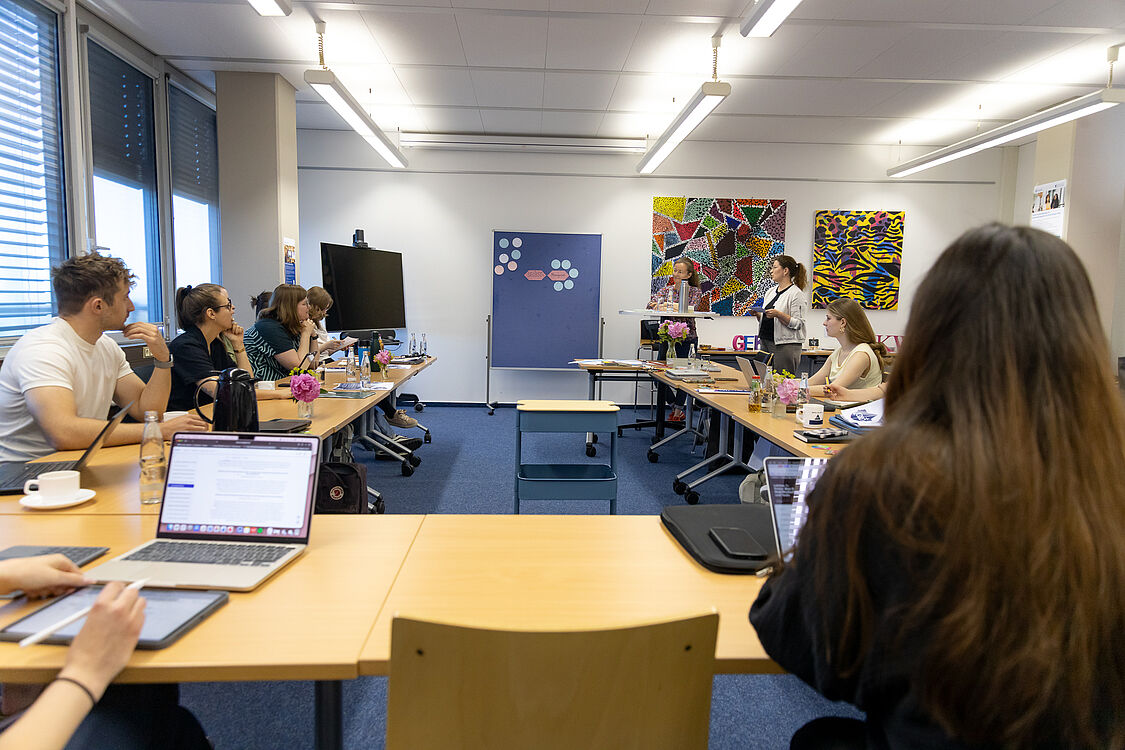
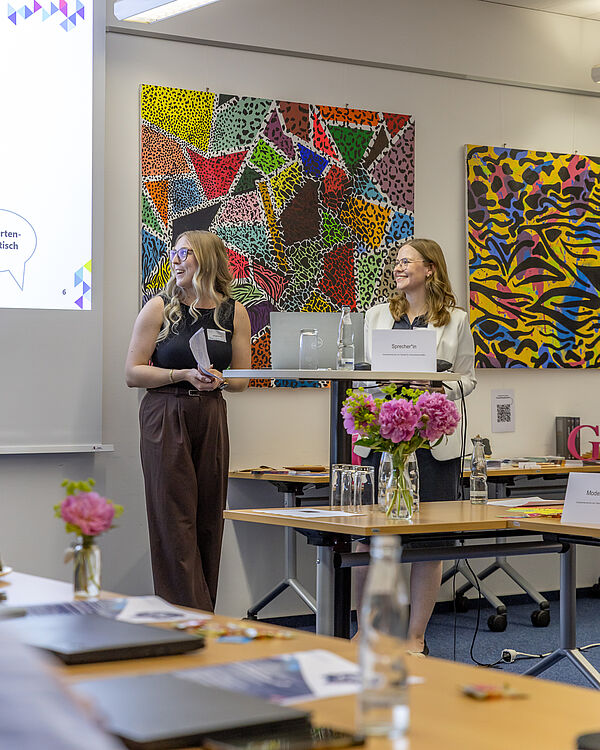
Im Zentrum der Graduiertentagung standen die Beiträge der Promovierenden und Postdocs und erstmalig auch der studentischen Vortragenden. Die Vorträge zum Tagungsthema verdeutlichten die große thematische und disziplinäre Bandbreite der kulturwissenschaftlichen Forschung an der Universität Paderborn. Vertreten waren unter anderem Projekte aus der Erziehungswissenschaft, der Sozialen Arbeit, der Kunstpädagogik, der Geschichte und Philosophie sowie der Literaturwissenschaft. Diskutiert wurden beispielsweise Geschlechterperspektiven auf Künstliche Intelligenz im Bildungsbereich, Fragen von Geschlecht und Sexualität im Kunstunterricht, feministische Ansätze in der Sozialen Arbeit sowie historische, kulturelle und gesellschaftliche Aushandlungsprozesse von Geschlecht.

The conference programme was complemented by two (interdisciplinary) workshops, which examined both the academic and personal aspects of research. Whilst Dr Susanne Richter invited participants to reflect on gender dimensions within their own research projects and to explore their potential for new insights, Prof. Dr Katrin Klingsieck addressed the question of how the demands of academic work can be reconciled with other areas of life. In addition, an open pitch format provided an opportunity to present research ideas and projects, regardless of the conference theme, and to discuss them with the participants.
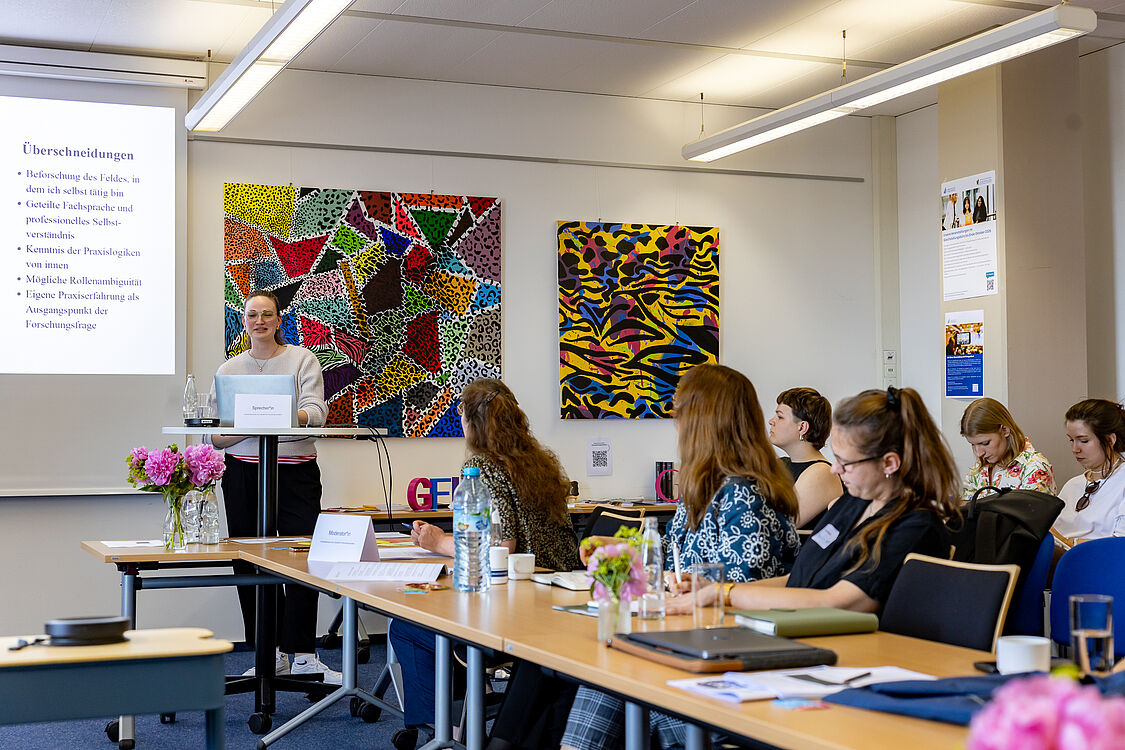
Innerhalb der Graduiertenversammlung, die in diesem Jahr während der Graduiertenwoche stattfand, wurde außerdem über die Arbeit des GFKW an unserer Fakultät und über aktuelle Themen (z.B. das Hochschulstärkungsgesetz) informiert. Zudem wurden die beiden neuen Graduiertensprecher*innen, Niklas Corall und Michelle Ginder, gewählt, bevor am Mittwochabend wie jedes Jahr im Verlauf der Woche der Graduiertenstammtisch stattfand, der zum informellen Netzwerken einlud.
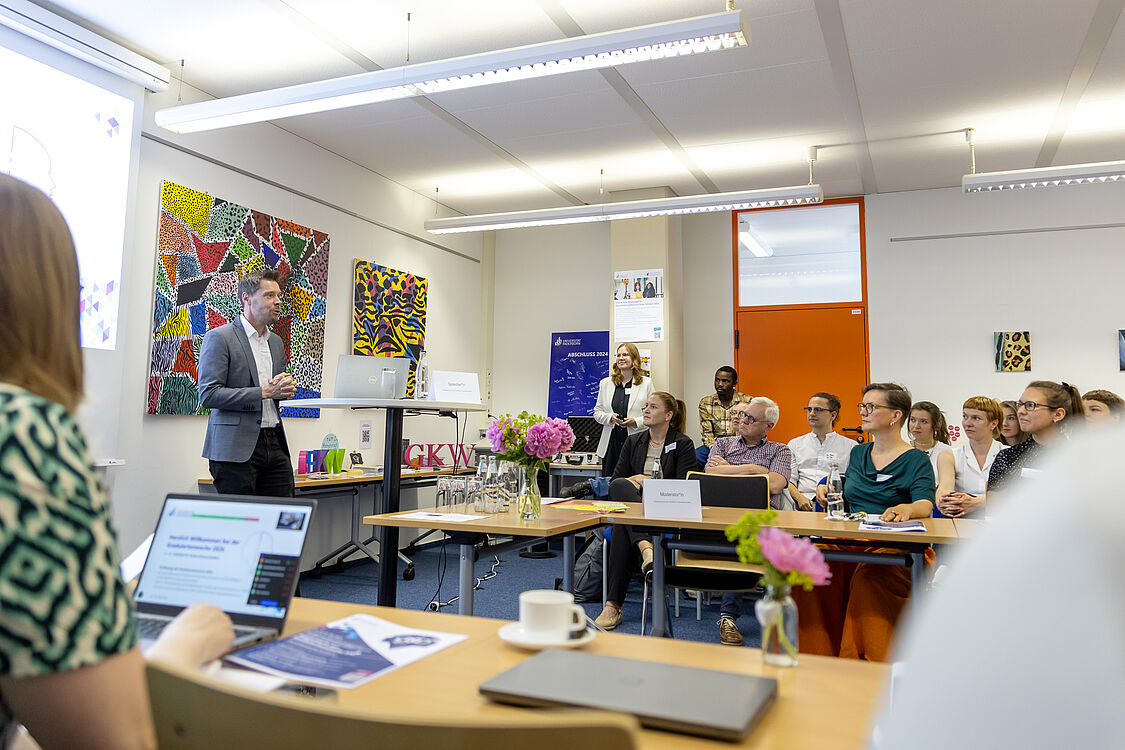
Graduate Week 2026 once again highlighted just how diverse the perspectives on the topic of gender are within cultural studies. At the same time, it demonstrated the added value that interdisciplinary exchange brings to the doctoral phase: new contacts, constructive discussions and fresh inspiration for one’s own research characterised the three very well-attended days of the event.

Auch im Nachgang der diesjährigen Graduiertenwoche und -tagung wird im Herbst/Winter 2027 ein Band in der Reihe 'Interdisziplinäre Studien des Paderborner Graduiertenzentrums' erscheinen. Ein Bericht zur 18. Graduiertentagung, die im Rahmen der Graduiertenwoche 2026 stattgefunden hat, wird in der nächsten Ausgabe des Journals "Netzwerk Frauen- und Geschlechterforschung NRW" erscheinen.
Programme of the Graduate Week
Time of day | Programme item |
| 9.30 to 10.00 a.m. | Arrival |
| 10:00 to 10:30 a.m. | Opening of the programme Prof. Dr. Dominik Rumlich (Director of GKW) Dr. Larissa Eikermann (Vice-Dean Equality) Michelle Ginder (Postgraduate Representative) Dr.in Anda-Lisa Harmening (Managing Director of GKW) |
| 10:30 am to 12:00 pm | Lecture Professor Antje Langer: Doing gender - research. Method(olog)ically through research |
| 12:00 to 13:00 | (Joint) lunch |
| 13:00 to 14:30 | Lectures Lea Biere: The role of gender in the research fields of artificial intelligence and education - A bibliometric literature review Denise Großkrüger: Perspectives of grammar school art teachers on gender and sexuality at school and in subject teaching |
| 14.30 to 15.00 | Coffee break |
| 15:00 to 16:15 | Lecture and pitch Vivienne Hanft: Performing gender on stage - On the productivity of cross-casting in Daniela Löffner's LULU production Timothy Kroupa: PandemicStorytelling - COVID Fiction as Pandemic Sensemaking |
| 16:15 to 17:15 | workshop Dr Susanne Richter: Tracing gender dimensions in your own project |
Time of day | Programme item |
| 9.30 to 10.00 a.m. | Arrival |
| 10:00 to 11:00 a.m. | General meeting GFKW |
| 11.00 to 12.30 | Lectures Leandra Ulrike Oles: Emancipation through public participation of women in Duisburg Rheinhausen during the industrial structural change Anastasiya Bobrova: Ambivalences of female modes of existence - demands of femininity in the changing feminist achievements of the second women's movement |
| 12:30 to 13:30 | (Joint) lunch |
| 13:30 to 15:00 | Lectures Caroline Bonhage: Autonomous women's* emergency calls as a form of feminist social work and their relationship to racism Lara Venghaus: Why Friedrich Schleiermacher envied women |
| 15:00 to 15:30 | Coffee break |
| 15:30 to 17:00 | Pitches Miriam Frings: Between workshop space and research field: On ethnographic research into one's own profession Anne Gottwald: Child protection (not) a topic of university teacher education |
| from 17:30 | GFKW Dinner/Stammtisch at the Pizzeria & Paninoteca “Bei Salva” |